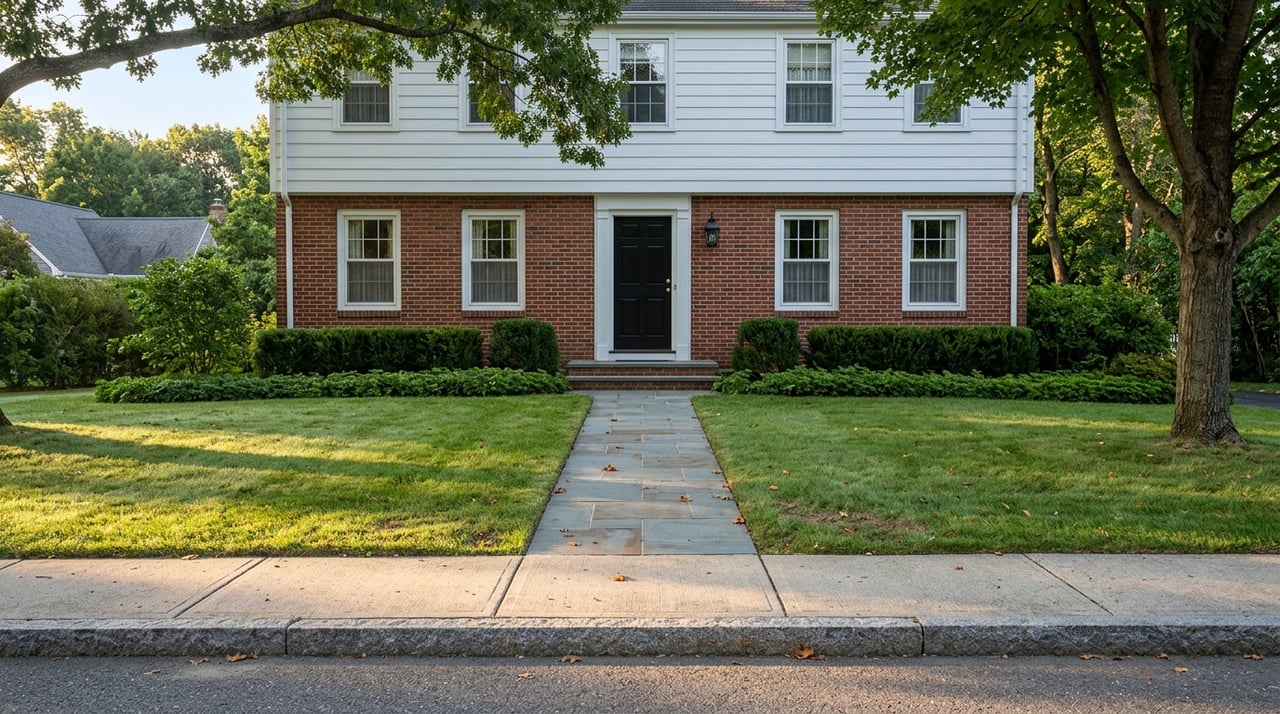
If you have inherited a home in Rye, you may be wondering whether you can simply list it and move on. In most cases, the answer is not that simple. Selling an inherited property in New York usually involves court authority, estate duties, valuation questions, and ongoing carrying costs. The good news is that once you understand the sequence, the process feels much more manageable. Let’s dive in.
Why inherited home sales take time
Selling an inherited home is usually a process, not a single decision. Before a home can be transferred or sold, the estate often needs the right paperwork and legal authority in place.
In Westchester County, estate matters are generally handled through the Surrogate's Court in White Plains. In New York, that court handles probate when there is a will, administration when there is no will, and voluntary administration for certain small estates.
A will must be filed with Surrogate's Court and admitted to probate before its instructions can be carried out. If there is no will, the court may appoint an administrator instead. These court-appointed fiduciaries are responsible for protecting the estate, collecting assets, paying valid debts and taxes, and transferring property to the proper parties.
Start with authority and documents
One of the first steps is confirming who has the authority to act on behalf of the estate. That person may be the executor named in the will, an administrator appointed by the court, or in limited cases a voluntary administrator.
You will usually need to locate key documents early, including the will if one exists and the death certificate. Without those basics, it is hard to move the file forward, and buyers will want confidence that the person signing documents has proper authority.
For many Rye inherited-home sales, this step is what sets the timeline. If title is clear and paperwork is in order, things can move more smoothly. If documents are missing or there are objections, delays are more likely.
Why small-estate rules usually do not work for a house
This is one of the most common points of confusion for families. In New York, small-estate procedures are limited to estates with less than $50,000 of personal property.
Court guidance says that this simplified process generally is not for selling or transferring real property like a house. So if the main asset is a solely owned Rye home, most families should expect probate or administration paperwork before a sale can move ahead.
Protecting the property comes next
Once someone has authority to act, the home needs to be protected and inventoried. New York courts state that fiduciaries are responsible for protecting estate property, collecting and inventorying assets, and handling the estate until debts and taxes are addressed.
In practical terms, that often means securing the house, maintaining utilities as needed, sorting personal belongings, and identifying items that belong to the estate. This is also why many families clean out the property before listing it.
New York court rules also require an inventory of personal and real property to be filed within nine months of appointment. That requirement helps explain why inherited-home sales can feel detail-heavy, especially early in the process.
Understand the two values that matter
When you sell an inherited home, there is often more than one number in play. For tax basis purposes, inherited property is generally valued at fair market value on the date of death, unless a special rule applies.
That date-of-death value is not necessarily the same as the best list price for today’s market. In other words, the estate may need one value for estate or tax records and another for actual sale strategy.
This is where clear pricing guidance matters. A thoughtful market analysis can help you understand how the Rye market sees the property now, while the estate side may require separate valuation support depending on the circumstances.
Common issues that can slow the sale
Some inherited-home sales move forward without much friction. Others take longer because of legal, financial, or family coordination issues.
A sale may slow down if:
- the estate still needs probate or administration
- heirs do not agree on the next step
- important documents are missing
- the fiduciary still needs to complete asset inventory work
- court approval is needed to sell a property specifically devised in a will
- title or tax issues need to be resolved before closing
If you live outside the area, there can be another layer to manage. New York Surrogate's Court can still have jurisdiction over New York property even when the deceased person lived elsewhere, which matters if you inherited a Rye home from out of state.
Carrying costs do not stop during probate
Many families focus on the sale itself and underestimate the cost of holding the property. In Rye, property taxes remain a real carrying cost while the estate still owns the home.
New York property tax is local, and the Rye assessor notes that city valuations are used to apportion city, county, and school district taxes. That means delays can have a financial impact, especially if the home also needs insurance, maintenance, lawn care, or basic upkeep while the estate is being settled.
For larger estates, New York estate tax may also come into play. The state says filing obligations can apply above the exclusion amount, and if estate tax is due, the transfer of real property can involve lien-release paperwork.
What the sale process usually looks like
While every estate is different, most inherited-home sales in Rye follow a similar path. Understanding that sequence can help you plan your time, paperwork, and expectations.
| Step | What happens |
|---|---|
| Confirm authority | Determine whether probate, administration, or other court authority is needed |
| Gather documents | Locate the will, death certificate, and estate records |
| Protect the home | Secure the property and manage ongoing upkeep |
| Inventory assets | Identify estate property and organize contents |
| Establish value | Determine date-of-death value needs and current market pricing |
| Resolve issues | Address debts, taxes, title questions, or court approvals |
| Prepare for market | Clean out, make decisions on presentation, and plan listing strategy |
| List and sell | Market the property and move through contract to closing |
This kind of step-by-step approach is often the best way to reduce stress. It helps you focus on the next decision instead of trying to solve everything at once.
How to make the process smoother
You do not need to know every legal detail to move in the right direction. What matters most is getting organized early and coordinating the people involved.
A few practical steps can help:
- confirm who has legal authority to act for the estate
- gather the death certificate, will, and any court papers
- keep the property secure and maintained
- create a clear list of known expenses and deadlines
- sort personal property before planning the listing
- get local pricing guidance once the estate is ready for sale
- consult an estate attorney when probate, title, or tax issues are unclear
New York courts note that court staff can provide legal information, but not legal advice. That is one reason many executors and family members work with an estate attorney when questions come up.
Why local guidance matters in Rye
Inherited-home sales are rarely just about putting a sign in the yard. They often involve timing, court paperwork, family communication, and decisions about pricing and property preparation.
If you are handling a Rye property from out of town, juggling responsibilities with siblings, or trying to decide when the home is ready to list, local guidance can make the process more practical. You want a clear plan, honest communication, and someone who understands both the market side and the extra steps that come with probate or trust-related sales.
That is where a calm, responsive approach really helps. With the right support, you can move from uncertainty to a clear path forward, one step at a time.
If you are preparing to sell an inherited home in Rye or anywhere in Westchester, Chris Tulotta can help you understand the market, coordinate the next steps, and move the sale forward with clear, honest guidance.
FAQs
Can you sell an inherited home in Rye right away?
- Usually not until the estate has the proper authority in place, which may mean probate or administration through Surrogate's Court.
Does a Rye inherited home qualify for New York small-estate rules?
- Generally no if the asset is a solely owned house, because New York's small-estate process is mainly for personal property and usually not for transferring real estate.
Which court handles an inherited home in Rye?
- Westchester County Surrogate's Court in White Plains generally handles estate matters for Rye properties.
What does an executor or administrator do with a Rye inherited property?
- The fiduciary is responsible for protecting the property, collecting and inventorying assets, paying valid debts and taxes, and transferring the property to the proper parties.
Do property taxes continue while an inherited Rye home is being settled?
- Yes, local property taxes continue as a carrying cost while the estate still owns the home.
Why might selling an inherited home in Rye take longer than a standard sale?
- Common delays include probate or administration, missing documents, heir disagreements, inventory requirements, title issues, tax matters, or needed court approval for the sale.