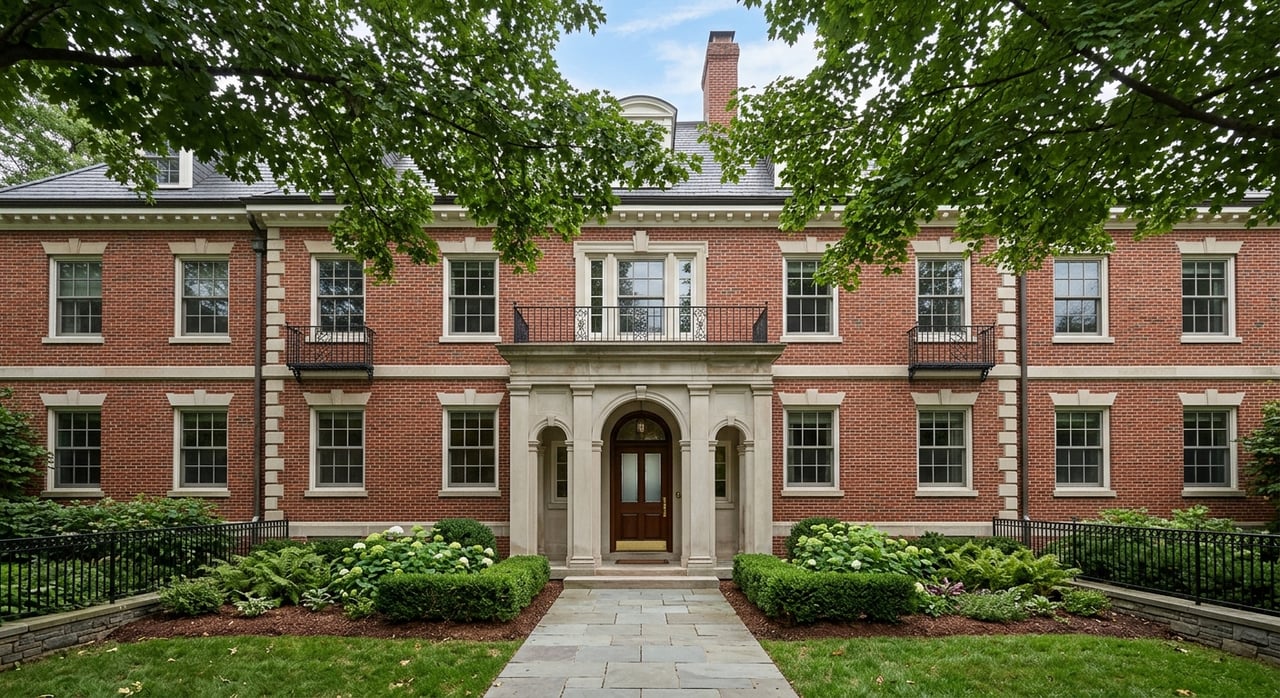
Looking for a simpler way to live in Scarsdale without giving up convenience? If you like the idea of easier upkeep, walkable daily errands, and access to the train, co-ops and condos deserve a closer look. In Scarsdale, these property types can offer a practical alternative to single-family ownership, especially if you value location and lower day-to-day maintenance. Let’s dive in.
Why Scarsdale co-ops and condos stand out
Scarsdale is known for its small-village feel, and the Village Center plays a big role in that. Official Village planning documents describe it as walkable, with shops, services, historic buildings, and pedestrian connections. For buyers who want to be near those everyday conveniences, apartment-style ownership can make a lot of sense.
Scarsdale also sits on the MTA Harlem Line, with service toward Grand Central. That makes condos and co-ops in or near the Village Center especially relevant if your routine includes commuting or regular train access. If you want less time spent on property upkeep and more time spent moving through your day, this setup can be appealing.
Just as important, co-ops and condos are already part of Scarsdale’s housing mix. Village documents identify The Chateaux as a co-op building with 112 apartments, and a 2024 forum report describes Christie Place as senior condominiums built in 2008 with ground-floor retail and underground parking. These examples show that easier-living housing options are not just theoretical here.
What “easier living” really means
For many buyers, easier living comes down to one thing: less direct maintenance. With a detached house, you are generally responsible for repairs and outdoor tasks like lawn care. With a co-op or condo, many building-level responsibilities are handled through the building’s shared structure.
That does not mean ownership becomes hands-off. It means some of the work shifts from you alone to a board, management, or a shared building system. If you do not want to think as much about exterior upkeep, roof issues, or common-area maintenance, that tradeoff may feel worthwhile.
This can be a strong fit if you are downsizing, buying your first home in Westchester, or simply trying to simplify your routine. In a place like Scarsdale, where walkability and transit access can matter a lot, that lifestyle fit is often the bigger story.
How a co-op works in New York
A co-op is different from other forms of homeownership. In New York, when you buy a co-op, you purchase shares in a corporation, and those shares are tied to a specific apartment. Those shares also give you the right to occupy the apartment through a long-term proprietary lease.
Your monthly charges in a co-op are called maintenance charges. Those charges are based on the number of shares allocated to your apartment, which means they are tied to the building’s overall financial structure. Because of that, the building’s budget, repair history, and financial condition matter a great deal.
Co-ops are governed by a board of directors elected by shareholders. The board must follow the building’s bylaws, proprietary lease, certificate of incorporation, and house rules. In practical terms, that means co-op living usually comes with more shared rules than owning a detached house.
How a condo works in New York
A condo is structured differently. In New York, a condominium owner has separate ownership of an individual unit plus an undivided interest in the building’s common elements. That common-interest structure is a key difference from a co-op share purchase.
Many buyers are drawn to condos because the ownership model feels more familiar. You own the unit itself, while also sharing responsibility for common areas with other owners. Like co-ops, condos still involve board governance and building documents, so they also come with shared rules and responsibilities.
New York requires condominium declarations and amendments to be filed with the Department of State. That is one reason careful document review matters before you commit to a purchase.
Co-op vs. condo in Scarsdale
If you are deciding between the two, it helps to compare them side by side.
| Feature | Co-op | Condo |
|---|---|---|
| What you buy | Shares in a corporation tied to an apartment | Ownership of an individual unit |
| Occupancy right | Through a proprietary lease | Through direct unit ownership |
| Monthly charges | Maintenance based on share allocation | Common charges, plus other ownership costs |
| Governance | Board, bylaws, lease, and house rules | Board and condo documents |
| Buyer focus | Building finances and rules are especially important | Unit ownership plus shared common elements |
The better choice depends on what matters most to you. If you want simpler day-to-day living in a walkable Scarsdale location, either property type may work. The main difference is how ownership is structured and how the building handles governance and finances.
Costs to plan for beyond the mortgage
One of the biggest mistakes buyers make is focusing too narrowly on the mortgage payment. With co-ops and condos, your monthly costs often include additional charges that are paid separately from the mortgage. These fees can range from a few hundred dollars a month to more than $1,000.
You should also budget for property taxes, homeowners insurance, maintenance, utility costs, and any applicable building fees. In a co-op, maintenance charges are not just a generic fee. They are tied to the building’s financial setup, which makes it even more important to understand what the building is collecting and why.
This is where a clear monthly budget matters more than headline price alone. A lower purchase price does not always mean lower total monthly cost.
Financing can vary by building
Not every Scarsdale co-op or condo will be financed the same way. Lenders review not only your finances, but also the project itself. For condos and co-ops, project standards can affect whether financing is straightforward or more challenging.
That matters because some buildings are easier to finance than others. Ownership structure, occupancy levels, and project documentation can all influence lender decisions. In real terms, two similar-looking apartments can have very different financing paths.
New York’s SONYMA program also includes condos and co-ops, but with specific project rules. For condos, SONYMA requires a building with at least 10 units, more than half the units sold, at least 70% owner occupancy among sold units, and professional management. For co-ops, SONYMA applies similar project standards, requires at least a 3% cash contribution, allows financing up to 95%, requires the underlying mortgage to have at least three years remaining, and excludes limited-equity co-ops such as Mitchell-Lama.
What to review before you buy
Before you move forward on any co-op or condo, document review is critical. The New York Attorney General recommends reading the full offering plan and consulting an attorney before signing a purchase agreement. That advice is especially important because resale purchases may not have current offering plan disclosure, or any offering plan disclosure at all.
You should also pay attention to the building’s physical condition. That includes the facade, roof, elevators, plumbing, electrical systems, HVAC, and other building systems. If the building has known issues, repair costs can affect both your budget and your future plans.
For existing buildings, reviewing board minutes and financial reports can be very helpful. Those records often reveal planned repairs, recurring issues, and financial pressures that may not be obvious during a showing.
The lifestyle tradeoff to understand
The biggest benefit of a co-op or condo is convenience. You may have fewer direct maintenance responsibilities and better access to walkable amenities and transit. In Scarsdale, that can be a meaningful quality-of-life upgrade.
The main tradeoff is independence. Because these properties operate through shared governance, you may have less freedom around alterations, subletting, or certain building-related decisions. For some buyers, that is a drawback. For others, it is a fair exchange for a simpler ownership experience.
A good rule of thumb is this: if you value convenience, shared maintenance, and location more than a yard, driveway, and full control over the exterior, a Scarsdale co-op or condo may be a strong fit.
Who may benefit most in Scarsdale
These homes can appeal to several types of buyers. First-time buyers may see them as a way to enter the Scarsdale market with a different ownership model than a detached house. Downsizers may appreciate having less direct upkeep while staying connected to the area.
Busy professionals may like the Village Center setting and train access. Some buyers may simply want a more predictable routine, with fewer house-related tasks competing for their time. The right fit depends less on age or stage of life and more on how you want to live day to day.
If your goal is practical, lower-maintenance living in Scarsdale, it is worth comparing these options carefully. The details matter, but the lifestyle match matters just as much.
If you are weighing co-ops or condos in Scarsdale and want straightforward local guidance, Chris Tulotta can help you compare options, understand the process, and make a move that fits your goals.
FAQs
What is the difference between a Scarsdale co-op and a Scarsdale condo?
- A co-op means you buy shares in a corporation tied to an apartment, while a condo means you own an individual unit plus a shared interest in the building’s common elements.
Are co-ops and condos common in Scarsdale?
- Yes. Village documents identify examples such as The Chateaux co-op apartments and Christie Place condominiums, showing that apartment-style ownership is part of Scarsdale’s housing mix.
Why do Scarsdale co-ops and condos feel easier to maintain?
- They can reduce your direct responsibility for many building-level tasks that typically come with single-family ownership, such as certain repairs and exterior upkeep.
What monthly costs should buyers expect with a Scarsdale co-op or condo?
- In addition to a mortgage, you may need to budget for maintenance or common charges, property taxes, homeowners insurance, utility costs, and other building-related fees.
Can financing a Scarsdale co-op or condo be more complicated?
- Yes. Financing can depend on the building’s project structure, occupancy profile, and documentation, so some units may be easier to finance than others.
What should buyers review before purchasing a Scarsdale co-op or condo?
- Buyers should review the offering plan if available, board minutes, financial reports, and the building’s physical condition, including systems like the roof, elevators, plumbing, electrical, and HVAC.